What Are The Four Ways To Understand Scripture?
Many of us come to the sacred pages of Scripture hungry for divine wisdom and spiritual sustenance, but what we often discover are richly woven stories saturated with deep truths.
Through my extensive exploration of biblical hermeneutics – the scholarly term for deciphering the Bible’s meanings – I have seen how unraveling its treasures can be quite complex.
It doesn’t matter whether you’ve devoted years to theological study or are just beginning to peek into the wonders of this Holy Book, comprehending Scripture is much like embarking on an archaeological expedition. It demands patience, proper tools, and an understanding that there are many layers waiting to be uncovered.

To truly fathom the depth of God’s Word, there’s a traditional quartet of methods at our disposal—literal (grasping straightforward meaning), allegorical (discovering deeper symbolism), moral (gleaning lessons for righteous living), and anagogical (perceiving revelations about ultimate destiny). Each approach unveils realms of understanding as diverse as life itself. Picture uncovering not only ancient historical accounts but also eternal lessons nestled within tales that stretch from Moses all the way to Jesus’s disciples.
Overview of the Four Ways of Understanding Scripture

To truly grasp the wisdom of God’s Word, we venture beyond mere surface reading into a realm where symbols and stories intersect with our lives in profound ways. This voyage unveils insights that are not just intellectually stimulating but spiritually transformative. So, let’s turn the page together; a treasure trove of divine revelation awaits! Keep reading to unveil an understanding so vast it spans from history to eternity. Join us as we explore each vibrant layer.
Literal meaning
So, let’s talk about reading the Bible just as it is written. Think of it as listening to someone tell a story and taking their words at face value. For example, in Genesis when we read that God created the world in six days, taking that literally means believing He did it just like that—in six actual days. It’s pretty straightforward; we’re sticking to what the words directly say.
But don’t forget, even with this straight-up approach, some parts are meant as figures of speech. For instance, when Jesus says “I am the vine” in John 15:5, He isn’t saying he’s an actual plant but, rather, He’s showing us how close our relationship with Him should be.
So, while we go for what is plainly said, we’ve still got to catch those moments when language plays around a bit.
Allegorical meaning
We often see things in the Bible that point to deeper truths like a sign on the road showing us where to go. This is the allegorical meaning at work—it helps us understand bigger ideas through stories and symbols.

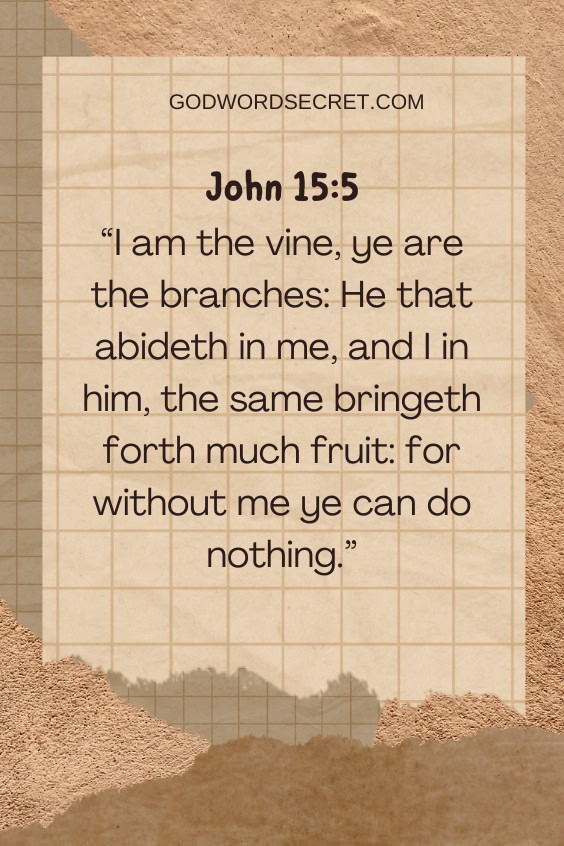
For instance, when Jesus says, “I am the vine, you are the branches” (John 15:5 I am the vine, ye are the branches: He that abideth in me, and I in him, the same bringeth forth much fruit: for without me ye can do nothing.), as mentioned before, He’s not just talking about plants. He means we’re as connected to Him as branches are to a vine, getting life from Him.
Think of Joseph in the Old Testament. His journey wasn’t just about him. It was also a picture of Jesus’ life hundreds of years later! Joseph was betrayed by his brothers but later saved them—just as Jesus would come along and save all of us.
Our faith gets richer when we dig into these layers of meaning in Scripture.
Moral meaning
Shifting gears from allegories to life lessons, the moral meaning of Scripture is about how we live out God’s words. It’s about action—taking what we read in the Bible and using it as a guide for making good choices every day. Think about Jesus’ teaching, “Love your neighbor as yourself” (Mark 12:31). This isn’t just a nice thought; it tells us to treat others with kindness and respect, just as we would want them to do for us.
Anagogical meaning
The anagogical meaning takes us even higher, to the mysteries of Heaven. Think of it as a spiritual elevator lifting us from the pages of Scripture straight to God’s promises. For example, when we read about the promised land in the Bible, we see more than just a physical place. We are catching glimpses of Heaven itself! This way, those ancient words fill our hearts with hope for what is coming—eternal life with God.

Seeing these truths helps us keep our eyes on our Heavenly goal while we walk on earth. When Jesus said “I am the light of the world” (John 8:12 Then spake Jesus again unto them, saying, I am the light of the world: he that followeth me shall not walk in darkness, but shall have the light of life.), He isn’t just talking about sunlight or lamps; He means He lights up our path to eternal happiness.

Importance and Benefits of Understanding Scripture in These Four Ways

Delving into the multifaceted layers of Scripture – through literal, allegorical, moral, and anagogical lenses – not only enriches our grasp of its profound truths but also unfolds places where ancient wisdom vividly intersects with our modern lives.
Comprehensive understanding of Scripture
We all want to get the full picture when we read the Bible, right? Think of it as putting together a big puzzle. Each piece is important and helps us see the whole image. Now, imagine those pieces are different ways to understand God’s Word.
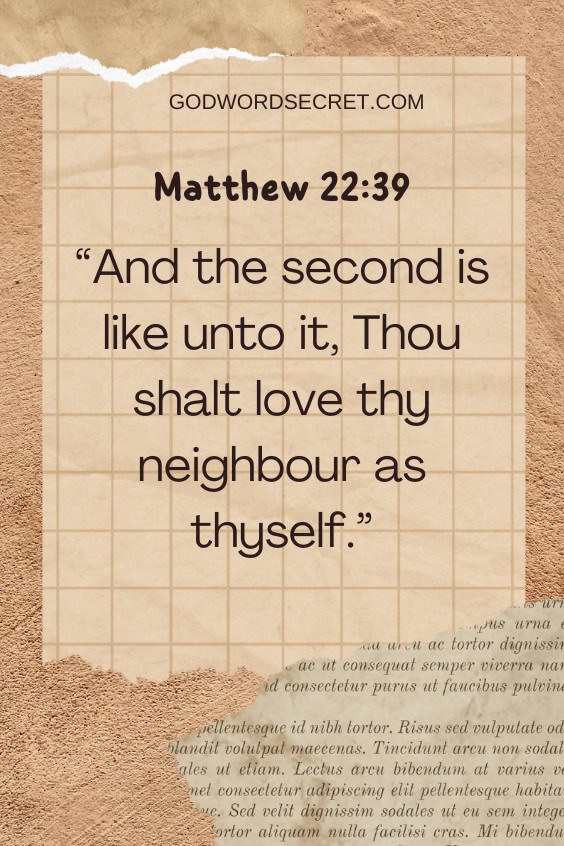
The literal meaning shows us what actually happened; it’s like reading a history book about real events. For instance, “In the beginning God created the heavens and the earth” (Genesis 1:1) tells us that God made everything. But there’s more! Stories in Scripture can also give us hidden messages or teach lessons through allegories—kind of like when Jesus told parables to share deeper truths. For instance, “I will make you fishers of men” (Mark 1:17) wasn’t just about fishing but also about bringing people to follow Him. And let’s not forget how these stories shape our choices with moral meanings. They’re guides for how to live good lives based on teachings from verses such as “Love your neighbor as yourself” (Matthew 22:39 And the second is like unto it, Thou shalt love thy neighbour as thyself.).
And last, anagogical meaning lifts our minds up high—it points us toward heaven and gives hope by showing what’s waiting for us if we stick with God. We learn from passages talking about eternal life or heaven itself that there is much more beyond this world.
By understanding Scripture in these four ways, we can really grab hold of everything God wants to tell us through His words. The lessons from long ago still matter today! They bring wisdom into our everyday actions and thoughts, showing love not just in words but in deeds too.
Deepening spiritual growth
Growing in our spiritual life is like tending a garden. Just as plants need good soil, sunlight, and water to grow, we need different ways of understanding Scripture to grow closer to God. The more meaning we find in the Bible’s words, the richer our faith becomes. It’s not just about knowing what the words say, but it’s about letting them change us from the inside out.
Let’s imagine walking through a forest filled with hidden treasures. Each step on this path means getting to know God better. Seeing Scripture with new eyes – literal, allegorical, moral, and anagogical – opens our hearts wider to His wisdom and love. This journey helps us become more like Jesus every day and live out His teachings in everything we do.
Applying lessons to daily life
So, let’s talk about how we take what we learn from the Bible and use it every day. Say you’re reading about being kind in Ephesians 4:32, where it says to be kind to one another. That’s not just words—it’s a call to action! We can show kindness at school, work, or even while waiting in line for coffee. And when Proverbs tells us about honesty, that’s our cue to live truthfully with friends and family.
Now think of Jesus’s teaching on loving our enemies—hard stuff, right? But imagine going out into the world and actually doing this. Helping someone who hasn’t been nice to us doesn’t change only them; it changes us too! Every Bible lesson is a chance for big life changes.
Conclusion
We’ve dug into the four ways to get what the Bible is saying. Think of them as keys—each unlocks a different door to deeper meaning. The literal key shows us what the words directly say. The allegorical key opens up hidden stories within the stories. Then there’s the moral key, guiding us on how to live right. And don’t forget the anagogical key—it points us up to heaven.
These aren’t just cool tricks; they’re paths to living better lives with God’s word in our hearts. Imagine reading about Jesus calming a storm (Mark 4:39). On one hand, it actually happened; that’s literal for you! But dig deeper and see a picture (an allegory) of Him bringing peace into our wild lives. And, let’s walk this out together (the moral sense that says actions count). We can take these lessons everywhere—from home to school or work.
Remember this: The next time you open your Bible, think bigger than just reading—explore all those layers!
Last, here’s some food for thought: “For whatever was written in former days was written for our instruction” (Romans 15:4)—and it still lights up our path today!